Social sciences harness human insights and multidisciplinary collaboration to solve complex challenges, helping Queensland build healthier, more resilient communities through evidence-based, community-led policy and innovation.
Research may be one of humanity’s greatest inventions. As a systematic and organised way of solving problems, research has made astounding contributions to the advancement of society.
There is no doubt that important and multi-layered problems, like climate change, still require solving. And that complex circumstances and conditions can appear, like a global pandemic. Despite the intractability of some problems, research remains one of our greatest tools for overcoming these challenges. Without reasoned knowledge developed through systematic inquiry, we can’t innovate.
Research is not just about lab coats and test tubes. The power of research can be applied to practically any situation in which an improvement to the status quo is required. Often, the problems that are the most difficult to solve are human ones. With climate change, for example, the reason successful solutions have been so difficult to implement is because people can’t or won’t agree on what goals and actions are reasonable. It’s the inescapability of the human factor in all aspects of global wellbeing that makes the social sciences an important asset and central to both knowledge creation and translation. Social sciences, in collaboration with other fields of research, are particularly critical for our future.
Using the social sciences to harness the human factor
The social sciences are a tremendously rich melange of disciplines that span the different facets of social living. Of particular interest to social scientists are things like behaviour, relationships and cultural norms in different settings and contexts. The social sciences capture disciplines such as psychology, education, anthropology, economics, political science, linguistics, sociology, history, archaeology and geography.
Given the breadth of the social sciences, the potential value of social sciences research can be readily appreciated. This potential could be exploited far more than is currently the case, particularly in Queensland where we have world leading expertise1. Wherever people are, and whatever situations they need to overcome or resolve, social sciences research can contribute in important ways.
Pooling the strengths of social sciences with other scientific disciplines
With the kaleidoscopic nature of societal challenges, multidisciplinary approaches to research can yield the most comprehensive results. Multidisciplinary refers to harnessing the skills, expertise and perspectives from researchers who work in different disciplines. For example, if a psychology researcher develops a new approach to addressing mental health, a health economist could add important expertise regarding the cost-effectiveness of the intervention, while researchers from anthropology and sociology might have important insights about cultural considerations and social influences regarding the accessibility of the intervention.
There is also growing recognition of the importance of contributions from communities and consumers – the intended beneficiaries of research. A vitally important advantage of including involved community members in all stages of the research process is that it ensures the relevance of the research from the outset.
Including the perspectives of people from different backgrounds with a range of skills and expertise can amplify the problem-solving capacity of research and improve decision-making. The potential for innovation and creativity is also increased when the viewpoints of people with differing experiences are shared, explored and integrated.
Contributions from diverse but cohesive sources is also an important protective factor against the limits of expertise. The tragic case of Sally Clark2 is a powerful and poignant reminder of how dangerous it can be when individuals with expertise in one area, offer their views in another. The case against Clark was based predominantly on the evidence provided by Professor Sir Roy Meadow, one of Britain’s most eminent paediatricians. Meadow provided flawed statistical evidence and, as a result, Clark spent three years in prison for murder before the mistake was corrected and Meadow was found to be guilty of serious professional misconduct.
Queensland’s opportunities to lead change
A fundamental question that most governments at all levels are interested in, to a greater or lesser extent, is: To what extent are people living the lives they want?
The perspectives of individuals about the lives they are living and the problems they face are critical. From an observer’s perspective, it might appear that individuals are experiencing a particular problem, but the matter might be entirely different from lived experience. This is particularly important in regional, rural, remote and very remote areas, where access to services can be difficult and choices are often limited.
One of the reasons that research can be so important is that, sometimes, it tells us things about the world that are surprising or unexpected. For example, it has recently been discovered that one of the reasons that older people outside of metro areas delay going to the doctor or calling an ambulance is because they’re worried that, should they require time in hospital, there will be no-one to take care of their pets3. Without this knowledge, there might be various attempts to persuade people to keep their appointments, have their check-ups, and so on. These efforts, though, are unlikely to be effective unless the critical factor of pet care is addressed.
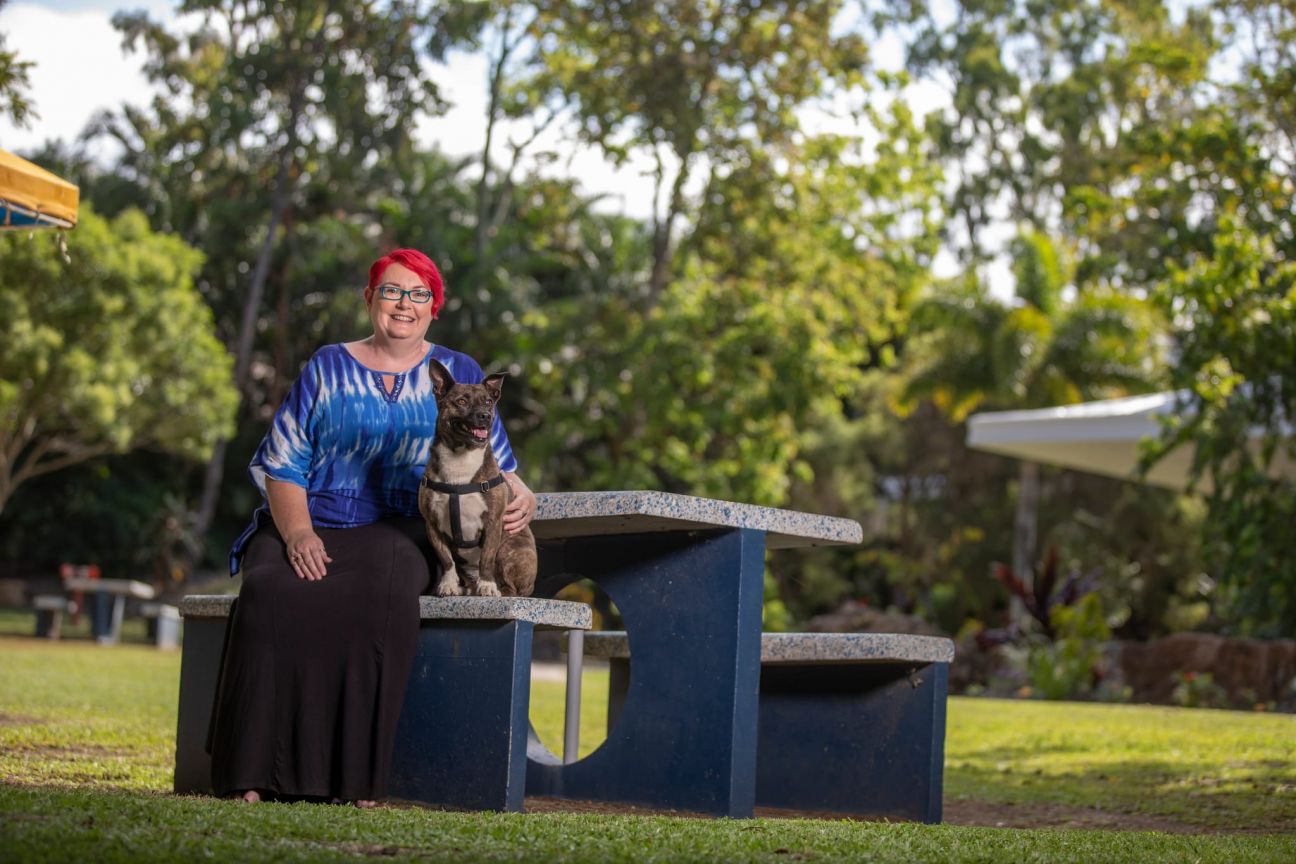
Professor Tania Signal is a researcher in human-animal interaction.
Social sciences research can help us move past our own opinions and attitudes about how we think the world is, to a more accurate and precise understanding of how the world actually is. The results of rigorous, systematic, high-quality research should always outweigh personal opinion.
In many ways, Aboriginal and Torres Strait Islander researchers and community leaders are way out in front in demonstrating how powerful multidisciplinary research can be when communities are actively involved at all stages of the research process. For example, researchers from fields as diverse as theatre, law, education, health, and Aboriginal and Torres Strait Islander research combined their talents using participatory action research. This work yielded valuable information about the rise of important health challenges, such as vaping and the use of social media to improve youth help-seeking4.
Also, the SPARC Research Project (Shared Power for Advocating for Reform Collectively) is a movement “grounded in unity, advocacy and collective knowledge-sharing”. It is using a collective impact framework with communities, government partners and researchers to co-design, implement and evaluate approaches that address the Closing the Gap Priority Reform areas5.
The Family Wellbeing Program is another example of the benefits of community-led, multidisciplinary program development and evaluation. Over a five-year period, the program demonstrated social and emotional wellbeing, economic and other benefits in Yarrabah and other northern Australian communities6.
How you can harness the human factor
If we want Queensland’s communities to genuinely thrive, our policy and management decisions must be grounded in science. And the science that will provide the most useful information is collaborative, inclusive and enriched by the insights of social sciences. Queensland is home to many esteemed social scientists who are tackling some of the most pressing challenges of our time. Their expertise is a vital resource in our shared mission to create a society where everyone can live the lives they want.
Government policy officers and managers – in all forms and at all levels – are accountable to their citizens. Making the most reasoned and informed decisions is a commitment that the public service is raised on and, as such, the contribution from social sciences research in making relevant, evidence-based information accessible is indispensable. The establishment of the Social Sciences Reference Group at the state government level is seeking to raise the profile of social sciences expertise. The group of experts from government agencies, universities and research organisations can increase the level of understanding and bring people together to tackle issues such as inequality through evidence-based solutions.
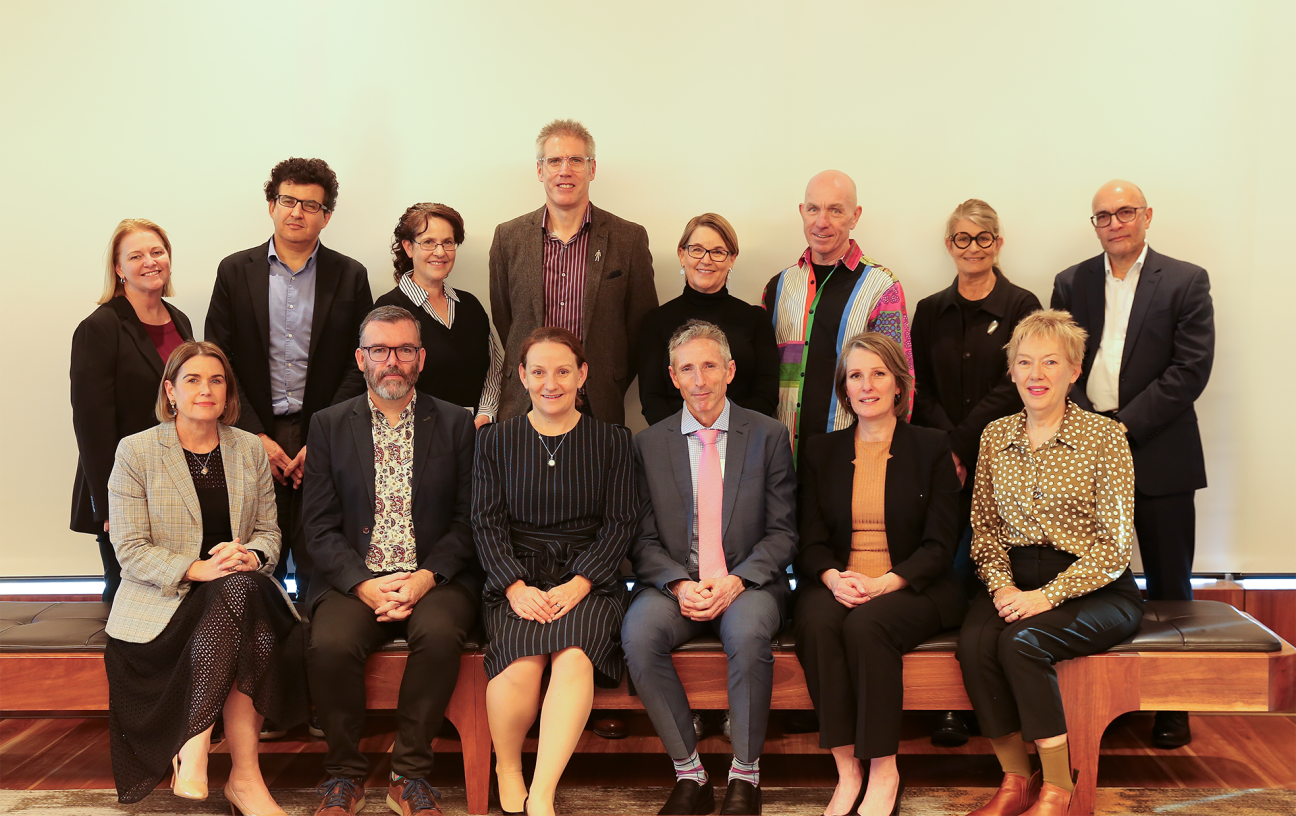
The Queensland Government Social Sciences Reference Group
The complex, interconnected challenges we face (whether that be climate change, economic inequity, or accessible and affordable public health) demand solutions that transcend disciplinary boundaries. Collaboration is no longer a luxury. It is a necessary mindset that we must all embrace. If you’re a scientist from the physical sciences, reach out to a social scientist. If you’re a government policy officer or a business or community leader, consider how social science can inform your work. Putting people at the heart of our work will have transformative impacts for all Queenslanders.
References
1 Key science areas: Social sciences
3 T. Signal, personal communication, April 2026
4 Lorenza at al., 2023
5 National Indigenous Times: Gunawuna Jungai partners in research project to drive reform
6 Family Wellbeing (FWB) Community Report 2021–2025: Five Years of Empowerment in Action
Author biographies
Professor Timothy Carey
Professor Timothy Carey
Professor Timothy Carey is a senior Australian academic and Fulbright Scholar. He is Director of the Centre > Health Equity in Regional and Remote Communities at CQUniversity. Tim uses a range of research methodologies and champions embedded clinical research. He is passionate about contributing usefully to initiatives that seek to understand and improve the extent to which people are able to live the life they want.
Professor Kerrie Wilson
Professor Kerrie Wilson
Professor Kerrie Wilson is Queensland Chief Scientist. As an independent science advisor to the Queensland Government, Kerrie seeks to support Queensland science, and the generation and translation of globally significant science, ensuring sustainable economic growth. With a distinguished career in conservation, Kerrie has held prominent positions at Queensland universities and the not-for-profit sector.